
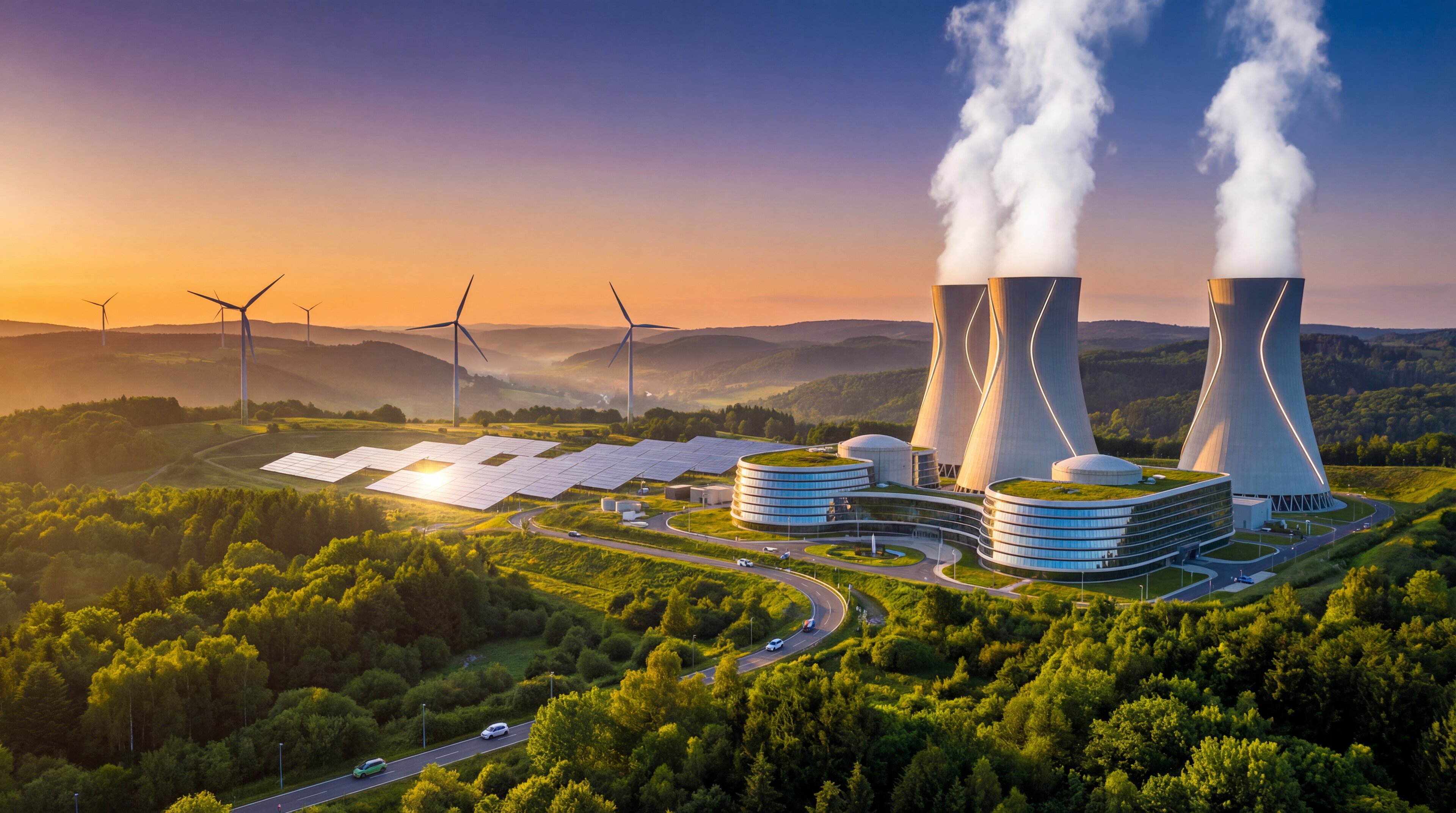
The Energy Transition Landscape
As the world grapples with the dual challenge of energy security and decarbonisation, nuclear energy is experiencing a renaissance in the global conversation. After years of declining public support, a confluence of factors - from energy security concerns to the recognition that intermittent renewables alone cannot power a fully decarbonised grid - has brought nuclear back to the forefront.
Why Nuclear Matters for Climate
The physics are straightforward: nuclear energy produces virtually zero direct carbon emissions while providing reliable, baseload power. In a world that needs to both expand energy access and dramatically reduce emissions, this combination is difficult to replicate.
Key considerations:
- Energy Density: Nuclear fuel contains millions of times more energy per unit mass than fossil fuels
- Reliability: Unlike solar and wind, nuclear provides consistent power regardless of weather conditions
- Land Use: Nuclear plants require a fraction of the land needed by equivalent-capacity renewable installations
- Lifecycle Emissions: When measured across the full lifecycle, nuclear emissions are comparable to wind and lower than solar
The New Generation
The nuclear technologies emerging today bear little resemblance to the large-scale plants of the 20th century. Small Modular Reactors (SMRs), advanced Generation IV designs, and even fusion research are redefining what nuclear energy can look like:
- Small Modular Reactors: Factory-built, scalable units that can be deployed incrementally
- Molten Salt Reactors: Inherently safe designs that can use thorium fuel and even consume existing nuclear waste
- Fusion: While still developmental, recent breakthroughs have brought commercial fusion closer than ever
Implications for Climate Technology Investment
For climate technology investors, the nuclear renaissance presents both opportunities and complexities. The regulatory landscape varies dramatically by jurisdiction. Public acceptance remains a factor. And the capital requirements, while declining for SMRs, remain substantial.
However, a comprehensive approach to clean energy investment must account for nuclear's role in the energy mix. The most effective portfolios will be those that combine:
- Renewable energy deployment and storage
- Nuclear baseload capacity
- Grid modernisation and smart energy management
- Industrial decarbonisation technologies
The energy transition is not a zero-sum competition between technologies. It is a portfolio challenge that demands the best of every low-carbon solution available.
A Pragmatic Path
The path to net-zero emissions requires pragmatism, not ideology. Nuclear energy, alongside renewables, energy storage, and demand-side innovation, forms an essential part of the clean energy toolkit. Investors and policymakers who recognise this early will be best positioned to drive - and benefit from - the transition.